One thought on “Minerware manufacturer Plastic Luau pitcher and cups c. 1950-65”
Thank you for sharing the fascinating article about the Minerware manufacturer’s plastic Luau pitcher and cups from the 1950-1965 era. It’s intriguing to explore the historical significance of everyday objects like these, and your insights shed light on their cultural and artistic value.
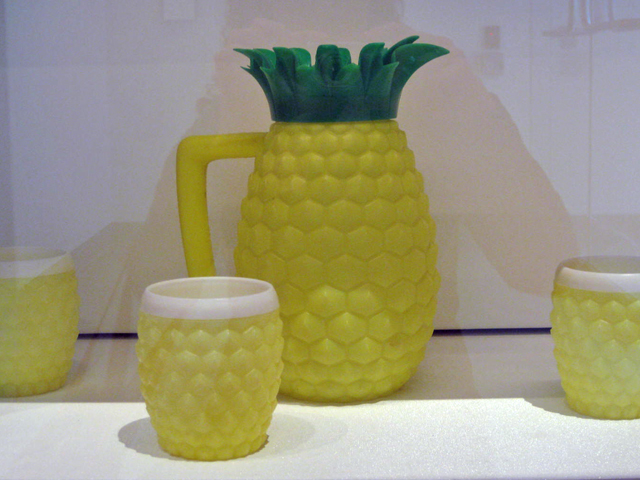
The Minerware plastic Luau pitcher and cups showcased in the article exemplify the aesthetic sensibilities and design trends of the mid-20th century. The vibrant colors and tropical motifs reflect the popularity of Polynesian and Hawaiian themes during that time. It’s fascinating to see how these objects captured the essence of a specific era and served as a conduit for people’s aspirations for leisure, exoticism, and entertainment.
As you mentioned, the use of plastic in these items represents a shift in material preferences during the post-World War II period. Plastic was celebrated for its versatility, affordability, and durability, making it a popular choice for various household goods, including kitchenware. These plastic pieces played a role in shaping the material culture of the time, offering an accessible and stylish option for consumers.
Examining and appreciating objects like the Minerware Luau pitcher and cups helps us understand the intersection of art, design, and cultural history. They serve as artifacts that provide insights into the social, economic, and aesthetic contexts of the past. Moreover, they remind us that even seemingly mundane items can hold significant cultural value and contribute to our collective understanding of a particular era.
Thank you again for sharing this intriguing piece of history. It’s through articles like yours that we can delve into the stories behind objects and gain a deeper appreciation for the diverse tapestry of human creativity.

 Kristen Kieffer

Thank you for sharing the fascinating article about the Minerware manufacturer’s plastic Luau pitcher and cups from the 1950-1965 era. It’s intriguing to explore the historical significance of everyday objects like these, and your insights shed light on their cultural and artistic value.
The Minerware plastic Luau pitcher and cups showcased in the article exemplify the aesthetic sensibilities and design trends of the mid-20th century. The vibrant colors and tropical motifs reflect the popularity of Polynesian and Hawaiian themes during that time. It’s fascinating to see how these objects captured the essence of a specific era and served as a conduit for people’s aspirations for leisure, exoticism, and entertainment.
As you mentioned, the use of plastic in these items represents a shift in material preferences during the post-World War II period. Plastic was celebrated for its versatility, affordability, and durability, making it a popular choice for various household goods, including kitchenware. These plastic pieces played a role in shaping the material culture of the time, offering an accessible and stylish option for consumers.
Examining and appreciating objects like the Minerware Luau pitcher and cups helps us understand the intersection of art, design, and cultural history. They serve as artifacts that provide insights into the social, economic, and aesthetic contexts of the past. Moreover, they remind us that even seemingly mundane items can hold significant cultural value and contribute to our collective understanding of a particular era.
Thank you again for sharing this intriguing piece of history. It’s through articles like yours that we can delve into the stories behind objects and gain a deeper appreciation for the diverse tapestry of human creativity.